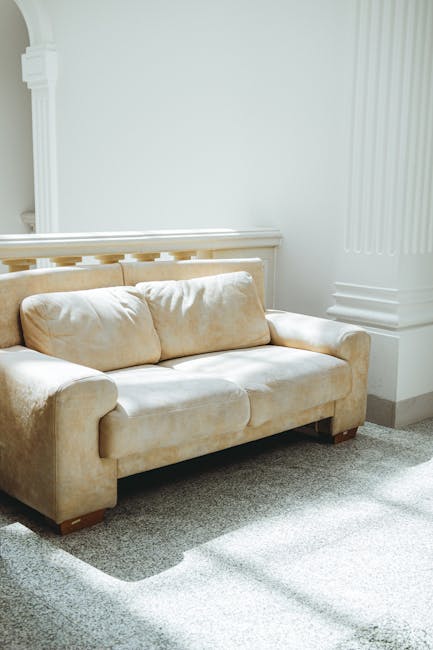
Highbury Fields upholstery cleaning and stain removal tips
Posted on 14/06/2026
If your sofa has picked up a tea splash, your dining chairs are looking a bit tired, or that pale armchair has one of those mystery marks that appeared overnight, you are in the right place. Highbury Fields upholstery cleaning and stain removal tips are less about miracle products and more about knowing what fabric you have, what the stain actually is, and how to act before it settles in. Get those basics right and you can save a lot of stress, a lot of rubbing, and, frankly, a few avoidable disasters.
In this guide, we will walk through the practical side of upholstery care in a real home, not a showroom fantasy. You will learn how cleaning works, which stains are worth tackling yourself, when to stop and call for help, and how to keep fabrics looking fresher for longer. If you are comparing support options, it can also help to look at professional upholstery cleaning in Highbury, especially when the fabric is delicate or the mark has already set.
Truth be told, most upholstery problems are not dramatic at first. They start small. A few crumbs, a drip, a patch of dullness. Then one day the whole sofa looks a bit sad. The good news? Most of that is manageable with a calm approach and the right sequence.

Why Highbury Fields upholstery cleaning and stain removal tips Matters
Upholstery takes daily punishment in a way hard surfaces never do. It absorbs body oils, dust, pet hair, food residue, airborne grime, and the occasional spill from coffee, wine, pasta sauce, or a child who was "definitely finished" with their snack. In a busy home near Highbury Fields, this happens more often than people expect. The fabric may still look fine from across the room, but up close you may notice flattening, shadowing, or a patch that has started to hold onto smells.
That matters because upholstery is not just decoration. It is one of the most used surfaces in the home. A good cleaning routine can help preserve appearance, reduce odours, and slow down wear. It can also stop a small stain from turning into a permanent blemish. Once a spill has been pushed deeper into the fibres, the job gets harder. Sometimes much harder.
There is also a practical health angle, without being dramatic about it. Soft furnishings can trap dust and allergens. Regular care will not solve every problem, but it does reduce the build-up that makes a room feel stuffy. If you already use domestic cleaning support in Highbury or book a deep clean from time to time, upholstery should be part of that wider routine rather than an afterthought.
And let's be honest: a clean sofa changes the whole room. You notice it when you sit down. It smells fresher. The colours look clearer. The room feels cared for, not just tidied.
How Highbury Fields upholstery cleaning and stain removal tips Works
Effective upholstery cleaning is a simple idea with a few important rules. First, identify the fabric and any care label instructions. Second, remove dry debris before introducing moisture. Third, test any product on a hidden area. Fourth, use the least aggressive method that gets the job done. That sequence sounds obvious, but people skip it all the time. Then they wonder why the mark spread.
Most upholstery fabrics fall into one of a few broad categories: natural fibres, synthetic fibres, blended fabrics, and specialist materials like velvet or suede-effect upholstery. Each behaves differently. A synthetic fabric may tolerate controlled moisture and mild detergent, while a wool-rich or velvet finish may need much gentler handling. Leather is its own world entirely, and you should treat it as such.
Stain removal works best when you understand the stain type. A water-based spill like diluted juice behaves differently from grease, ink, makeup, or protein-based stains such as milk, food, or body fluids. Some stains dissolve in cool water. Others need a solvent-like approach. Some need neither and should be blotted only. There is no one magic product that fixes everything, annoying as that is.
The physical process matters too. Blotting lifts liquid out of the fibres. Rubbing pushes it deeper and can damage pile or weave structure. Heat can set certain stains, especially protein and sugar-based marks. Over-wetting can leave rings or water marks, and on some fillings it can cause slow drying, damp smells, or staining from inside the cushion.
If you are dealing with a whole-room refresh rather than a single mark, many households pair it with related services like carpet cleaning in Highbury or even a broader house cleaning visit. That can make sense because soft furnishings, carpets, and dust levels usually influence each other. One clean sofa in a dusty room is only half the job.
Key Benefits and Practical Advantages
Good upholstery care does more than make a sofa look nice for photos. It protects the fabric investment, which is useful whether the piece cost a lot or you simply really like it. Here are the main practical gains.
- Better appearance: stains, shadows, and dullness reduce a room's overall finish surprisingly quickly.
- Longer fabric life: dirt particles act a bit like fine grit, wearing fibres down over time.
- Less odour retention: upholstery can hold cooking smells, pet odours, and general household scent.
- Improved comfort: clean fabric feels fresher and less sticky, especially in warmer months.
- Smarter maintenance: regular care is cheaper and easier than replacing a worn sofa early.
There is also a style benefit people rarely mention. Clean upholstery makes the rest of the room look more organised, even if the cushions are slightly mismatched and there is still a mug on the side table. Small win, but a real one.
If you are managing rented property, preparing for a move, or simply getting on top of a long-overdue refresh, upholstery maintenance supports the wider cleaning plan. That can tie in neatly with end of tenancy cleaning or a seasonal spring clean, where soft furnishings often show the most obvious wear.
Expert summary: the best upholstery results usually come from acting early, using the gentlest method possible, and understanding the fabric before you treat the stain. Most damage happens when people skip one of those three.
Who This Is For and When It Makes Sense
This advice is useful if you live in a flat, terrace, family home, or rented property around Highbury Fields and you want your furniture to stay in good nick without treating every spill like a catastrophe. It is also relevant if you host often, have pets, eat on the sofa sometimes, or simply want to extend the life of a good piece of furniture.
It makes sense to focus on upholstery care when you notice one of these signs:
- the fabric looks darker in the arms or seat area
- a spill has left a ring or patch
- the cushion smells stale even after airing
- crumbs or pet hair keep working their way into the weave
- the fabric feels rougher or flatter in everyday use
It also makes sense before guests arrive, after a busy holiday period, or when a room is being rearranged and the sofa becomes impossible to ignore. You know the moment. The chair suddenly looks fine from the side and terrible from the front. Funny how that happens.
For commercial spaces, waiting rooms, and shared work areas, upholstery care is often part of a wider cleaning plan. In those cases, services such as office cleaning in Highbury or a broader services overview can help you think through what needs doing and how often.
Step-by-Step Guidance
Here is a practical method you can use for many everyday upholstery stains. Keep it calm and simple. Rushing usually makes things worse.
1. Check the care label first
Look for cleaning codes or manufacturer guidance if available. In plain English, these instructions tell you whether the fabric can handle water-based cleaning, solvent-based cleaning, or only professional care. If the label is missing, damaged, or impossible to read, be more cautious than usual.
2. Remove loose debris
Use a vacuum with an upholstery attachment to lift crumbs, grit, and hair before you deal with any stain. If you skip this, you are likely to rub dirt into the fabric and make the spot messier. Lift cushions and clean seams too. The seams are where the sneaky stuff lives.
3. Blot fresh spills immediately
Use a clean white cloth or paper towel. Press gently. Do not scrub. Blot from the outside of the spill towards the centre if the liquid is spreading. This helps keep the stain contained. If the spill is thick, remove the surface material first with a spoon or blunt edge before blotting.
4. Test a hidden area
Apply a small amount of your chosen cleaning solution to the back, underside, or another hidden patch. Wait and check for colour transfer, texture change, or a water mark. This step is not optional. A five-second test can save a very expensive regret.
5. Use the mildest suitable cleaning approach
For many general marks, a tiny amount of mild detergent diluted in cool water is enough. Apply it lightly to the cloth rather than straight onto the fabric, then dab the stain. Work gradually. If the mark starts to lift, keep going in small stages. If nothing changes after a few attempts, stop and reassess rather than soaking the area.
6. Rinse carefully
Once the stain has lifted, dab the area with a cloth lightly dampened with clean water to remove residue. Too much detergent left behind can attract new dirt and create a patchy finish. That residue problem is one of those annoying little things people do not expect, but it absolutely happens.
7. Dry properly
Blot with a dry towel, reshape any fibres gently, and allow the fabric to air dry. Open a window if possible, but avoid blasting it with direct heat. A fan can help. If a cushion is removable, stand it upright so air can move through both sides. Drying is part of the cleaning, not an afterthought.
8. Reassess once dry
Some stains look lighter when wet and darker once dry. Check the area after it has fully dried. If there is still a ring or a shadow, repeat only if the fabric is suitable and the stain is still responsive. If not, it may be time to bring in a specialist approach.
Expert Tips for Better Results
Small adjustments make a big difference. A lot of upholstery care is about restraint, not effort.
- Work slowly: fast rubbing creates fuzzy patches and pushes stain molecules deeper.
- Use white cloths: coloured cloths can transfer dye when damp.
- Keep liquids minimal: more product does not mean more cleaning power.
- Treat the source first: if an odour is present, the stain may have soaked further than it looks.
- Think cushion by cushion: cleaning one area only can leave an uneven finish if the piece is large.
A small but useful habit is to keep a "spill response" cloth and a gentle cleaning bottle somewhere accessible. Not glamorous, I know. But the fastest treatment is often the difference between a brief annoyance and a permanent mark.
Also, remember that sunlight, radiator heat, and poor ventilation can change how a stain dries. In a top-floor flat on a bright afternoon, for instance, a damp patch can set differently from one dried on a cool evening. Little details, but they matter.
If your fabric is delicate, patterned, or antique-style, consider whether a one-off refresh through one-off cleaning in Highbury makes more sense than a DIY attempt. Sometimes the sensible choice is simply not to experiment on the family sofa.
Common Mistakes to Avoid
People usually do not ruin upholstery on purpose. They just act quickly, which is not always the same thing as acting well.
- Rubbing the stain hard. This is the big one. It spreads the stain and distorts fibres.
- Using too much water. Wet patches can lead to rings, shrinkage, or slow drying.
- Skipping the test patch. This can cause colour loss or texture changes.
- Using bleach or strong chemicals. These are risky on upholstery and often unnecessary.
- Applying heat too soon. Heat can fix the stain in place, especially with protein or sugar-based marks.
- Cleaning the whole sofa unevenly. That leaves tide marks or a patchy look.
- Ignoring the filling underneath. The visible mark may be only half the issue if the spill soaked through.
A common mistake in homes with pets is trying to cover an odour with fragrance spray. It might smell nicer for an hour. Then the original problem comes back with a vengeance. Not ideal.
Tools, Resources and Recommendations
You do not need a cupboard full of specialist gear to do a decent job. A few sensible tools will cover most day-to-day jobs.
| Tool or item | Best use | What to watch for |
|---|---|---|
| Vacuum with upholstery attachment | Removing dust, crumbs, pet hair, and loose grit | Use a gentle setting on delicate fabric |
| White microfibre cloths | Blotting spills and applying cleaning solution | Avoid coloured cloths that may bleed dye |
| Soft brush | Lifting dried debris or restoring pile | Brush lightly to avoid fraying fibres |
| Mild detergent | General water-safe stain treatment | Always dilute and test first |
| Clean lukewarm or cool water | Rinsing and blotting | Use sparingly to avoid over-wetting |
| Fan or open window | Encouraging safe drying | Avoid direct high heat |
For routine upkeep, try linking upholstery care with your broader cleaning schedule. That could mean dusting and vacuuming as part of house cleaning in Highbury or arranging a more thorough reset through spring cleaning. The aim is not perfection. It is keeping things under control before they build up.
And if you are comparing service levels, pricing, or whether a specialist visit is worthwhile, the pricing and quotes page can help you think about the decision in a more grounded way. Sometimes the cheapest option is to avoid making a stain worse in the first place.
Law, Compliance, Standards, or Best Practice
For home upholstery cleaning, the main thing is safe, careful practice rather than formal regulation. There is not a complicated legal framework for mopping up a tea spill on a sofa, thankfully. But there are still good standards worth following.
In the UK, reputable cleaning work should be carried out with attention to product safety, careful handling, and respect for manufacturer instructions. If a service provider is involved, it is sensible to expect clear communication about methods, limitations, and any risks to delicate materials. Good practice also means taking reasonable care around water use, electrical items nearby, and drying time.
For landlords, tenants, and managing agents, documentation and honesty matter. If a stain is old, set, or pre-existing, it is better to say so than pretend it is a quick fix. That avoids misunderstandings later. If you are booking a service for a move-out or property handover, make sure you understand the terms and conditions and any service boundaries.
Health and safety should also be part of the conversation, especially where people have allergies, pets, or mobility concerns. A responsible approach is to keep areas ventilated, store products safely, and avoid mixing chemicals. If you are using a professional company, it is fair to expect that their health and safety policy and insurance and safety information are available and clear.
On the service side, accessibility and communication also matter. If you need to understand how information is presented or what support is available, it is reasonable to check an organisation's accessibility statement and about us details. That is part of trust, not just admin.
Options, Methods, or Comparison Table
Different stains and fabrics call for different methods. Here is a straightforward comparison to help you judge the likely best route.
| Method | Best for | Pros | Cons |
|---|---|---|---|
| Dry vacuuming only | Dust, crumbs, pet hair, light surface soil | Safe, quick, no drying time | Will not remove stains |
| Blotting with cool water | Fresh water-based spills | Gentle and effective early on | Can spread stains if overused |
| Mild detergent solution | General everyday marks on water-safe fabrics | Affordable and practical | Needs testing and careful rinsing |
| Targeted spot treatment | Small isolated stains | Useful for quick intervention | Risky on delicate or unknown fabric |
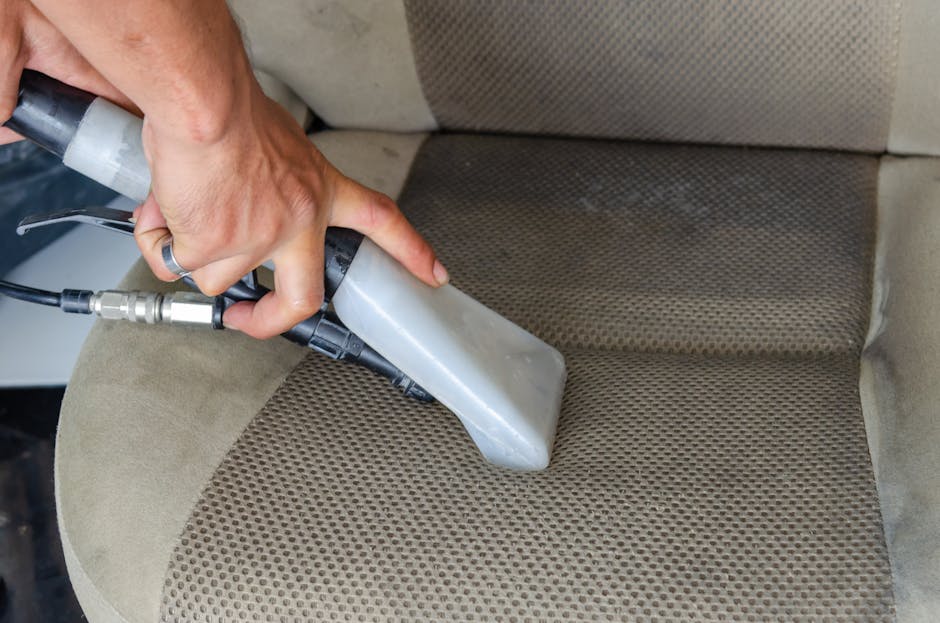
| Professional upholstery cleaning | Set stains, odours, large areas, delicate materials | More thorough and lower risk when done well | Costs more than DIY |
There is no prize for choosing the strongest method. The right method is the one that removes the stain without damaging the fabric. That sounds a bit obvious, but it is easy to forget when you are staring at a mark and feeling impatient.
Case Study or Real-World Example
A fairly typical example: a family in Highbury Fields had a light-coloured corner sofa with a mix of everyday marks. Nothing dramatic, just the sort of thing that builds quietly over time. One seat cushion had a coffee ring from a rushed morning, another had a faint grease patch from takeaway food, and the arms were slightly darkened from regular use. They had already tried fragrance spray and a damp cloth, which did very little besides make the area uneven.
The sensible approach was to start with dry vacuuming, then test the fabric in a hidden place. The fresh coffee mark responded well to gentle blotting with cool water and a mild detergent solution. The grease patch needed a different touch: a minimal amount of targeted cleaning, with extra care not to spread the residue. The darker arm area was not a stain as such, but wear and body oil build-up, so the result improved more from careful overall cleaning than from spot treatment alone.
The key lesson was not that every mark vanished. Some older shadows remained faintly visible. But the sofa looked cleaner, more even, and much less tired. That is often the realistic result. A good clean does not always mean "brand new"; sometimes it means "this looks properly looked after again." And that is enough, really.
Practical Checklist
Use this checklist before you clean any upholstered item at home.
- Check the care label or fabric guidance
- Vacuum thoroughly, including seams and cushions
- Identify the stain type if you can
- Blot fresh spills straight away
- Test any product on a hidden area
- Use the mildest suitable cleaner
- Avoid scrubbing, soaking, or using heat too soon
- Rinse residue carefully with minimal water
- Dry with airflow, not harsh heat
- Inspect the area once fully dry
- Stop if the stain worsens or the fabric reacts badly
If you are looking after multiple rooms at once, it can help to build upholstery care into broader home maintenance. A routine clean, a seasonal refresh, and an occasional specialist visit can keep the whole place feeling under control. Not perfect. Just nicely under control. Which, let's face it, is usually the real goal.
Conclusion
Highbury Fields upholstery cleaning and stain removal tips are really about making good decisions early. Identify the fabric, treat spills gently, test before you apply, and do not rush the drying stage. Those simple habits prevent most of the headaches people associate with stained sofas, chairs, and cushions.
For everyday marks, a calm DIY approach is often enough. For delicate fabrics, stubborn stains, or larger areas that need a proper reset, a specialist clean is usually the safer path. The most useful rule is straightforward: if the stain is small and fresh, act quickly; if it is old, widespread, or uncertain, be cautious.
Keep on top of it little and often. That is the secret, really. A bit of care today saves a lot of frustration later, and your living room will thank you in its own quiet way.
Get a free quote today and see how much you can save.