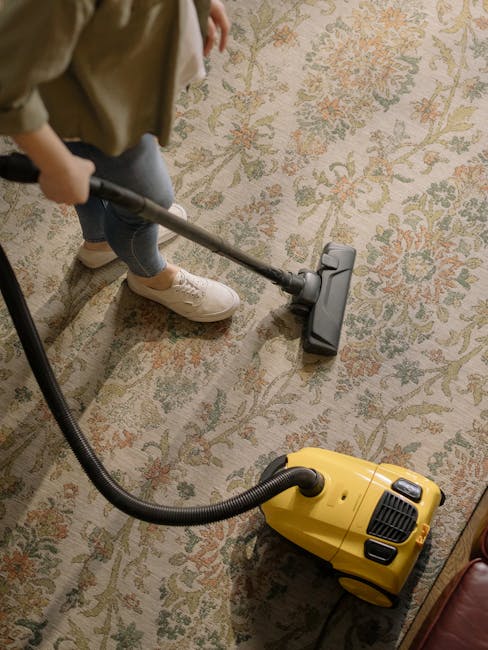
Highbury New Park carpet cleaning urgent stain response service
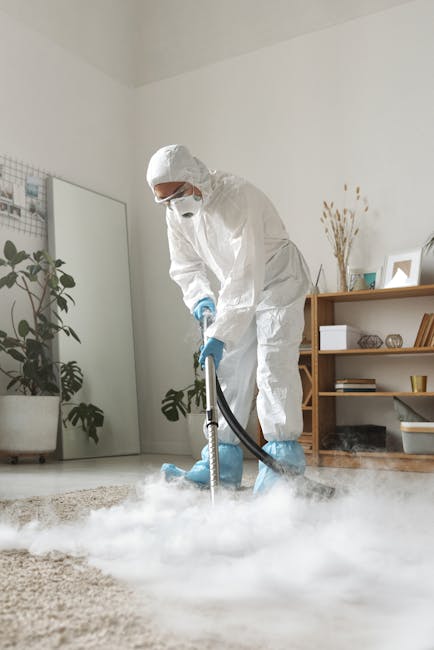
If a spill lands on your carpet and the clock starts ticking, you do not need vague advice or a long wait. You need a calm plan, fast action, and a proper clean that protects the fibres before the stain sets in. That is exactly where a Highbury New Park carpet cleaning urgent stain response service earns its keep. Whether it is red wine on a hallway runner, coffee in the living room, muddy paw prints after a wet London morning, or a less pleasant accident that really cannot sit there until tomorrow, the first few minutes matter. A lot.
This guide explains how urgent stain response works, what to do straight away, what not to do, and how to judge whether a stain can be lifted safely without making things worse. We will also cover practical steps, common mistakes, compliance considerations, and the sort of service standards you should expect from a reliable local cleaning company. Let's face it, carpets are expensive enough already.
Why Highbury New Park carpet cleaning urgent stain response service Matters
Carpet stains are not all equal. Some sit on the surface and are gone with careful blotting. Others travel down into the pile, then into the underlay, and before long they start to smell, wick back up, or leave a patchy mark that becomes more obvious than the original spill. A quick response helps stop that chain reaction.
In a busy home or shared property around Highbury New Park, delays happen easily. Someone notices the spill, then gets distracted by a phone call, then the stain dries. By the evening, the job is harder. After a day or two, it can become much more stubborn, especially with pigment-heavy liquids, dairy-based drinks, food sauces, and anything oily.
That is why urgent stain response is about more than appearances. It can help preserve carpet texture, reduce lingering odours, and lower the risk of permanent fibre damage. If you are renting, it may also help you avoid awkward conversations at the end of the tenancy. If you are in a family home, it simply keeps life feeling a bit more under control. Which, truth be told, is worth a lot.
Expert summary: the sooner a stain is assessed, the better the chance of lifting it cleanly. The aim is not to scrub harder; the aim is to act smarter, with the right moisture, the right product, and the right technique.
It is also worth noting that some carpet fibres and dyes are sensitive. A method that works beautifully on one carpet can leave another dull, bleached, or warped. A local carpet cleaning specialist should be able to recognise that quickly and choose the least risky route first.
How Highbury New Park carpet cleaning urgent stain response service Works
An urgent stain response service is usually built around speed, assessment, and controlled treatment. It is not just a regular clean brought forward. The cleaner needs to understand what caused the stain, how long it has been there, the type of carpet fibre, the backing, and whether the area has already been treated with supermarket products or home remedies.
In practice, the process often starts with a few simple questions: what was spilled, when did it happen, and has anything been applied already? That matters because some products set stains by changing their chemical structure or pushing them deeper into the pile. A quick assessment on arrival can save a lot of guesswork.
A good urgent response will usually involve:
- identifying the stain type and fibre type
- testing a small area first where appropriate
- lifting loose residue before adding moisture
- using the least aggressive treatment likely to work
- extracting as much contamination as possible
- checking for wicking, colour transfer, and residue after treatment
Sometimes the best result comes from a staged approach. The first visit may focus on stabilising the stain and preventing spread, while a second treatment handles what has remained in the pile. That is not a failure; it is often the sensible way to avoid over-wetting or overwashing.
For homes that need broader support, the same company may also offer deep cleaning or one-off cleaning alongside the carpet work, which can be handy after a party, a move, or one of those days when everything seems to happen at once.
Key Benefits and Practical Advantages
The most obvious benefit is stain reduction. But there is more to it than that. A focused emergency response can protect the carpet's structure, save time, and reduce the stress that comes with watching a fresh stain spread under your eyes. Anyone who has ever stared at a splodge of curry on a pale carpet at 9 p.m. knows the feeling.
- Better stain removal chances: fresh stains are generally easier to lift than dry, oxidised ones.
- Lower risk of permanent damage: prompt action can reduce fibre distortion and dye loss.
- Improved appearance fast: even if full removal takes more than one step, the area can look much better quickly.
- Odour control: spill residue, especially food or pet-related accidents, can smell worse if left.
- Less spreading: fast extraction helps stop liquid soaking into larger sections of the pile or underlay.
- Peace of mind: you are not left guessing whether the stain will become permanent.
There is also a practical household benefit that people often miss: a timely response can help you avoid overusing household chemicals. Many DIY attempts involve repeated scrubbing, which can push the stain around and make the carpet fuzzy. A cleaner technique can be kinder to the room overall.
If your problem is not only the carpet but the upholstery nearby, it may make sense to plan a connected clean with upholstery cleaning or sofa cleaning, especially where drinks have been spilled during a gathering and more than one surface has taken a hit.
Who This Is For and When It Makes Sense
This kind of service is for anyone who needs fast, careful help after a sudden spill or accident. The most common situations are straightforward: red wine, tea, coffee, sauce, pet mess, makeup, ink, mud, and food grease. But urgent stain response can also matter after renovation dust, cleaning product spills, or water-related staining from leaks and damp patches.
It makes sense when:
- the stain is fresh and likely to spread
- the carpet is light-coloured or expensive
- you have already tried something and it looks worse
- there is a strong smell or hygiene concern
- you are preparing for a tenancy inspection, event, or sale viewing
- the stain is in a high-traffic zone, such as a hallway or front room
For landlords, managing agents, and tenants, urgency matters because carpet appearance can influence check-out standards and first impressions. For homeowners, the concern is usually more personal and immediate. A stain in the living room can make the whole room feel messy, even if everything else is spotless.
It is also common for people to ask for urgent help after cleaning attempts have gone sideways. To be fair, that happens a lot. A bit of washing-up liquid, a kitchen sponge, and five minutes later the original stain is twice the size. The problem is usually not effort. It is the method.
Step-by-Step Guidance
If a spill has just happened, the next few minutes are your best window. Here is the sensible sequence to follow before a professional arrives or before you decide whether you can handle it safely yourself.
- Act quickly but calmly. Do not panic-scrub. Blot first.
- Lift solids carefully. If the spill includes food or debris, pick it up with a spoon or blunt edge.
- Blot, do not rub. Use a white cloth or paper towel and press lightly from the outside in.
- Use minimal moisture. Too much water can spread the stain and soak the underlay.
- Avoid random chemicals. Mixing products can create more problems than the stain itself.
- Take note of the stain type. What was spilled, and where on the carpet?
- Ventilate the room gently. Open a window if possible, but avoid heating the stain aggressively.
- Call for urgent help if needed. If the stain is large, valuable carpet is involved, or your first attempts are failing, stop there.
When a professional arrives, they will usually begin with inspection rather than treatment. That part can seem slow, but it is a good sign. A proper cleaner wants to know what they are working with. They may identify fibre type, colour stability, backing sensitivity, and whether the stain has already oxidised.
After treatment, drying matters. A carpet that is left damp too long can smell stale or attract re-soiling. Good airflow helps. If you are dealing with a wider clean across the home, a broader domestic cleaning visit can help bring everything back to a manageable baseline instead of only fixing the patch in the middle of the room.
Expert Tips for Better Results
A few small habits make a big difference. They are not glamorous, but they work.
- Use white cloths. Coloured cloths can transfer dye, especially on light carpets.
- Test first. Even gentle products can affect some fibres.
- Work from the edge inward. That helps stop the stain from blooming outward.
- Use less pressure than you think. Pressure can drive contamination deeper into the pile.
- Keep patience in the process. A cleaner may need to repeat extraction more than once.
- Watch for wicking. A stain that seems gone can reappear as moisture rises from below.
One practical tip that people often overlook: photograph the stain before you touch it. Not for drama. Just for context. It helps if you need to track what happened, compare progress, or explain the issue to a landlord, agent, or insurer later. A quick photo by daylight is usually enough.
Another good habit is to keep a small, sensible emergency kit in the cupboard: white cloths, gloves, plain paper towels, and a clean spray bottle for water. Nothing fancy. Nothing that smells like a laboratory. Simpler is usually safer.
If you want the result to match the rest of the home, it can help to combine stain response with house cleaning or a wider cleaning company visit, particularly after a busy week or an event where the whole place has taken a bit of a battering.
Common Mistakes to Avoid
Most carpet damage during stain removal comes from a handful of well-meant mistakes. People want to fix the problem fast, so they reach for the strongest thing under the sink. Often that is exactly the wrong move.
- Rubbing hard: this frays fibres and spreads the stain.
- Using too much water: it can push the spill into the underlay.
- Scrubbing in circles: that usually makes the mark bigger and fuzzier.
- Using bleach or harsh cleaners: these can permanently alter colour.
- Applying one product after another: chemical reactions can make stains harder to treat.
- Drying with direct heat: heat can set some stains and distort fibres.
- Waiting too long: once the stain dries, treatment is often more difficult.
A mild mistake can become an expensive one quite quickly. For example, a coffee stain on wool treated with an unsuitable alkaline cleaner may leave a pale ring, even if the original spill was modest. That is why cautious diagnosis matters.
And yes, sometimes the carpet looks worse after the first attempted fix. That does not automatically mean it is ruined. But it does mean you should stop improvising. Seriously, stop. That moment saves a lot of pain later.
Tools, Resources and Recommendations
You do not need a cupboard full of gadgets to deal with a fresh stain, but having the right few things makes a big difference. For homeowners and tenants, the goal is to keep things simple, safe, and controlled until proper cleaning can begin.
| Tool or Item | Best Use | Why It Helps |
|---|---|---|
| White cotton cloths | Initial blotting | Absorb liquid without transferring dye |
| Paper towels | First response on fresh spills | Quick disposable absorption |
| Gloves | Hygiene protection | Useful for unknown or unpleasant spills |
| Clean spray bottle | Light moisture only | Helps avoid over-wetting |
| Soft brush | Gentle fibre lift after cleaning | Restores pile without harsh friction |
| Portable extraction equipment | Professional stain removal | Helps draw contamination out from deeper in the carpet |
For a broader property reset, some clients also look at carpet cleaner support for the main flooring and rug cleaning if the stain has affected a smaller movable item that needs separate handling. That is often a smarter route than trying to treat everything the same way.
If you are deciding between a spot treatment and a full-room clean, consider the carpet's age, colour, and condition. A single patch treatment may be enough for a fresh isolated spill. But if the carpet is already dull or heavily trafficked, a wider service can produce a more even finish.
Law, Compliance, Standards, or Best Practice
For this kind of cleaning, the most relevant concern is not a niche legal threshold. It is safe working practice, clear communication, and appropriate handling of chemicals and waste. In the UK, cleaning work is generally expected to follow sensible health and safety practice, product instructions, and any specific building rules that apply in communal or managed properties.
Good practice usually includes:
- using suitable personal protective equipment where needed
- following product labels and dilution guidance carefully
- testing cleaning methods on a discreet area before wider application
- avoiding unsafe mixing of chemicals
- working in a way that reduces slip risk and excess moisture
- disposing of waste and contaminated materials responsibly
For customers, it is reasonable to ask whether the company carries insurance, has a health and safety policy, and explains how it handles risk. You should never feel awkward about asking. It is your home or your property after all. Relevant company information such as insurance and safety and health and safety policy can help you assess whether the provider is set up responsibly.
It is also sensible to check payment terms and service conditions before the visit, especially if you need an emergency booking. Transparent communication helps avoid confusion when the work is done and time is tight. A professional service should be happy to explain what is included, what is not, and what happens if a stain cannot be fully removed without risk to the carpet.
Options, Methods, or Comparison Table
Not every stain needs the same treatment. The best method depends on the spill, the fibre, and the amount of time you have before the stain settles.
| Method | Best For | Pros | Limitations |
|---|---|---|---|
| Blotting and light spot treatment | Fresh minor spills | Fast, low risk, inexpensive | May not reach deep contamination |
| Professional targeted stain removal | Visible spots with unknown cause | More precise, safer on delicate fibres | May need more than one pass |
| Full carpet cleaning | Widespread soiling or multiple marks | More even finish across the room | Takes longer and usually costs more |
| Dry compound or low-moisture approach | Moisture-sensitive carpets | Reduces drying time | Not suitable for every stain type |
A useful rule of thumb: if the stain is isolated and fresh, a focused response is often enough. If the carpet already looks tired, patchy, or heavily used, you may be better off combining the emergency fix with broader cleaners support so the room ends up looking balanced rather than half-mended.
People often ask whether DIY or professional help is better. Honest answer? It depends. A tiny fresh spill can sometimes be handled at home. But if the stain is on a delicate carpet, if you have already tried something unsuitable, or if the mark is emotionally high-stakes because the tenancy end is looming, professional help is usually the safer bet.
Case Study or Real-World Example
Here is a realistic example from the sort of call that comes up often. A client in Highbury New Park had a pale carpet in the front room and a fresh coffee spill after a rushed morning. They tried to dab it with a kitchen towel, then used a little too much water, which made the patch spread into a larger faint ring. Classic, really.
When the stain was assessed, the priority was to stabilise the area rather than immediately attack it with a stronger product. The cleaner checked the fibre, treated the coffee residue carefully, and extracted the loosened contamination in stages. The visible mark improved significantly, and the edge of the ring softened enough that the carpet stopped drawing attention in the room.
In a case like that, the biggest win is often not just removal. It is restoring confidence. The client is no longer looking at the floor every five minutes wondering whether it will stay there forever. That mental relief matters more than people admit.
Another common scenario involves pet accidents on a hallway runner. There, the urgent response is partly about hygiene and odour control. The treatment approach is different from a dry food stain because the priority includes sanitising the spot carefully without leaving a damp patch that keeps smelling later in the day.
Practical Checklist
Use this quick checklist when a carpet stain happens and you need to decide what to do next.
- Identify the spill if possible.
- Blot gently with a clean white cloth.
- Do not rub hard.
- Avoid adding random cleaning products.
- Keep moisture to a minimum.
- Note whether the stain is spreading or drying.
- Check whether the carpet is delicate, wool, or synthetic.
- Take a quick photo for reference.
- Ventilate the room gently.
- Call for professional help if the stain is large, old, or high risk.
Quick takeaway: the safest first move is usually less aggressive than people think. Small, calm steps beat frantic scrubbing almost every time.
Conclusion
When you need a Highbury New Park carpet cleaning urgent stain response service, the main thing is not perfection on the first try. It is intelligent, timely action. Fresh stains can often be improved dramatically if they are treated properly, but they can also become harder to remove if they are rubbed, soaked, or overloaded with the wrong products.
The best outcome usually comes from a mix of speed, restraint, and specialist know-how. That means checking the stain, protecting the fibre, and choosing the least risky method that can still do the job. If the carpet is valuable, the mark is stubborn, or the timing is sensitive, getting help early is the sensible move. No drama, just a better result.
If you want a more even finish across the room or you are dealing with more than one cleaning issue at once, it can also help to look at broader services such as carpet cleaning, deep cleaning, or even one-off cleaning for a fuller reset. Sometimes the smartest fix is the one that brings the whole room back into balance.
Get a free quote today and see how much you can save.
And if all you do today is stop the stain from getting worse, that is still a win. A small one, maybe. But a real one.
Frequently Asked Questions
What is a Highbury New Park carpet cleaning urgent stain response service?
It is a fast-response carpet cleaning service designed to deal with fresh or time-sensitive stains before they set deeply into the fibres. The focus is on quick assessment, safe treatment, and reducing the chance of permanent marking.
How quickly should I act after a spill?
As soon as possible. The first few minutes are the most useful, because the stain is less likely to bond tightly with the carpet fibres. Even a short delay can make the job harder, especially with coloured drinks, grease, or pet accidents.
Should I blot or rub a carpet stain?
Blot. Rubbing usually pushes the stain further into the pile and can roughen the carpet fibres. Gentle pressure with a clean white cloth is usually the safer first move.
Can every stain be removed completely?
Not always. Some stains change the dye in the carpet or have already set too deeply. A good cleaner will be honest about what is realistically possible and will avoid causing extra damage in the attempt.
Is it safe to use supermarket stain removers?
Sometimes, but not always. The risk is that a product may react badly with the fibre or with something you have already applied. If the carpet is delicate or the stain is serious, it is usually wiser to pause and get advice.
Will urgent stain cleaning leave the carpet very wet?
It should not. A careful service uses controlled moisture and extraction so the carpet dries properly. Excess water is one of the main things that causes secondary problems, like odour or wicking.
What types of stains are most difficult?
Red wine, ink, coffee, grease, pet accidents, and some food dyes can be particularly stubborn. Old stains are usually harder too because they have had time to bond with the fibres or dry into the backing.
Can urgent stain cleaning help before a tenancy inspection?
Yes, it often can. If the stain is fresh and treated early, the chances of restoring the carpet to an acceptable condition are much better. It is a sensible move before inventory checks or check-out appointments.
How do I know if I need a full carpet clean instead of a spot clean?
If the carpet has multiple marks, overall dullness, or visible traffic lanes, a full clean is usually more effective and more even-looking. If the problem is isolated and recent, targeted stain treatment may be enough.
What should I ask before booking a cleaner?
Ask how they assess stains, whether they test products first, what drying time to expect, and whether they carry insurance. It is also sensible to ask what happens if the stain cannot be fully removed without risk.
Can I combine carpet stain treatment with other cleaning services?
Yes, and that is often efficient. If the spill happened during a larger mess or event, combining it with house cleaning, sofa cleaning, or rug cleaning can help the whole home feel settled again.
What if I already tried to clean the stain myself?
That is fine. It happens all the time. Just be honest about what you used, because it helps the cleaner choose the safest next step. A partial DIY attempt does not automatically ruin the outcome, but it does change the approach.