Health and Safety Policy for Oven Cleaning Highbury
 This health and safety policy sets out the principles and working practices followed during oven cleaning in Highbury. Its purpose is to protect clients, technicians, property, and the wider environment by reducing avoidable risks and maintaining a consistent standard of care. The policy applies to all cleaning tasks, whether routine maintenance or deep cleaning of domestic ovens, hobs, extractor units, or related kitchen appliances.
At the centre of our approach is a commitment to safe working, careful assessment, and responsible use of equipment. Every oven cleaning appointment is planned with attention to the condition of the appliance, the surrounding area, and the presence of any hazards. This includes checking for heat, electrical issues, sharp components, slippery surfaces, and restricted access before any cleaning begins.
The policy also supports a professional and respectful service. Oven cleaners in Highbury are expected to work methodically, keep the area as tidy as possible, and minimise disruption inside the property. Cleaning activity should always be controlled, predictable, and completed with suitable protective measures in place.
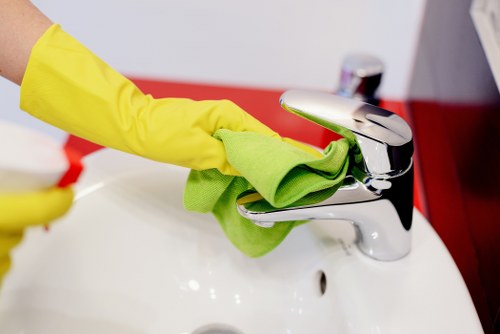 Risk assessment is an essential part of every job. Before work starts, the technician should identify any factors that could create danger, such as damaged door seals, unstable appliance fittings, or excessive grease build-up. In some cases, an oven may need to be left to cool fully or disconnected before cleaning can proceed safely. If a risk cannot be reduced to an acceptable level, the work should be paused until the issue has been resolved.
All products used for oven cleaning services must be selected for their effectiveness and safety. Where chemical cleaners are needed, they should be handled in accordance with manufacturer instructions and applied in a controlled manner. Protective gloves, suitable eye protection, and other personal protective equipment should be used whenever necessary. Air circulation should also be considered to avoid unnecessary exposure to fumes.
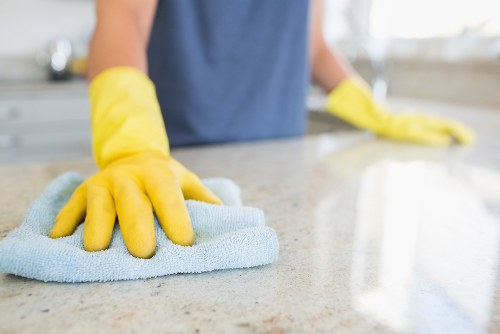 Safe manual handling is another key requirement. Ovens, trays, racks, fan covers, and removable parts can be heavy, awkward, or hot. Staff must use correct lifting techniques and avoid forcing components that are stuck or fragile. If a component needs dismantling for access, it should be done carefully so that damage to the appliance or injury to the technician is prevented.
Workplace Safety Standards
Maintaining a safe work area is part of every oven cleaning policy. Floors should be checked for water, grease, and loose items before and during work to reduce the risk of slips and trips. Nearby surfaces, cupboards, and flooring should be protected where appropriate to prevent splashes, scratching, or chemical contact. Tools should be stored safely when not in use, and cords or hoses should never create a trip hazard.
Electrical safety is particularly important when cleaning built-in appliances. The technician should not use water or liquids near live electrical parts, switches, or exposed wiring. If any sign of electrical fault is detected, the appliance should not be used until it has been inspected by a competent person. Safety first means stopping work when a hazard is identified, rather than continuing under unsafe conditions.
Hygiene standards must also be maintained throughout the process. Gloves should be changed when contaminated, and cloths or pads used for grease removal should be managed to avoid spreading residue to other areas. Waste materials must be collected and disposed of responsibly. This keeps the kitchen cleaner and supports a more sanitary working environment overall.
Responsibilities of Staff
 Every technician involved in oven care and cleaning is responsible for working safely, following instructions, and reporting concerns promptly. Training should include safe product handling, use of tools, basic first aid awareness, manual handling, and emergency procedures. Staff must not work beyond their competence and should ask for guidance if uncertain about a method, product, or appliance condition.
Supervisors and managers must ensure that equipment is maintained in good condition and that cleaning methods remain suitable for the task. Damaged tools, worn cloths, leaking containers, or faulty protective equipment should be removed from use immediately. A well-maintained kit supports safer working and helps deliver a consistent finish.
Communication is also important. Before work begins, the technician should confirm any relevant property concerns, appliance history, or access issues that may affect the task. Clear communication helps avoid misunderstandings and makes it easier to manage risks related to pets, children, fragile fixtures, or ongoing kitchen use. Respectful, calm communication supports both safety and professionalism.
Incident Reporting and Emergency Action
If an accident, spill, burn, chemical contact, or near-miss occurs during professional oven cleaning, it should be reported immediately and recorded according to company procedure. The affected area should be made safe, and first aid should be provided where appropriate. Prompt reporting helps identify patterns, improve procedures, and prevent repetition of similar incidents.
Emergency procedures should be understood by all staff. This includes knowing how to respond to fires, chemical exposure, electrical problems, and serious injury. In any emergency, the immediate priority is to protect life and reduce further harm. Work should stop at once, and the correct emergency response should be followed without delay.
Regular review of incidents, near misses, and working practices helps strengthen the oven cleaning health and safety policy. By reviewing performance and making sensible improvements, the service remains reliable, safe, and professional. Health and safety is not treated as a one-time requirement; it is an ongoing responsibility embedded in everyday work.
Policy Review and Continuous Improvement
 This policy should be reviewed regularly to ensure it stays current, effective, and practical. Updates may be needed when equipment changes, cleaning products are replaced, or new risks are identified. A strong policy supports good decision-making and helps ensure that oven cleaning safety standards remain high across all jobs.
In practice, this means combining careful planning, appropriate training, and consistent attention to detail. Whether dealing with a lightly used appliance or a heavily soiled oven, technicians must apply the same standards of caution and professionalism. The goal is to complete each task efficiently while protecting people, property, and equipment.
By following these principles, oven cleaning in Highbury can be delivered in a way that is safe, dependable, and respectful of the client’s home. This policy reflects a clear commitment to responsible practice and supports high standards in every stage of the cleaning process.