Real job Highbury oven deep clean before and after results
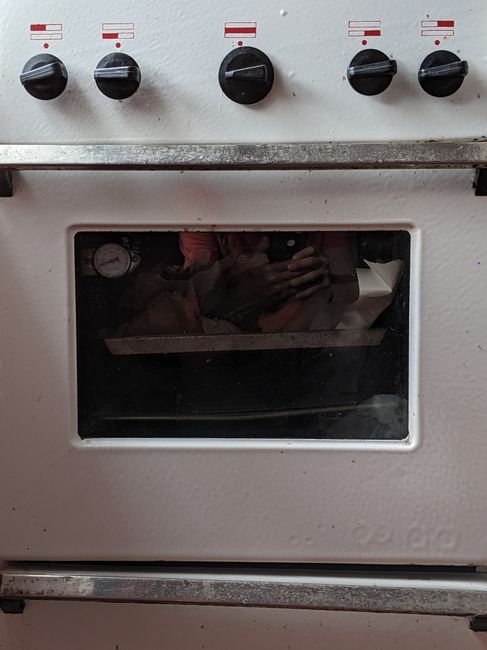
If you have ever stared into an oven and thought, "Well, that's seen better days," you are not alone. A proper oven deep clean can feel a bit dramatic before it starts, then oddly satisfying once it is finished. This article looks at real job Highbury oven deep clean before and after results in a practical, honest way: what changes you should expect, why the transformation matters, how the work is carried out, and what separates a decent clean from a genuinely impressive one. We will also cover common mistakes, useful standards, and the sort of results people usually notice first when the door swings open again.
To be fair, oven cleaning is one of those jobs that sounds simple until you actually do it. Grease clings to corners, trays catch old spillages, and glass doors can hide more grime than you would think. A professional deep clean is about more than shine. It is about restoring function, reducing smoke and smells, and making the whole kitchen feel fresher.
Why Real job Highbury oven deep clean before and after results Matters
The main reason people search for before and after results is simple: they want proof that the clean will actually change something. Not just a bit of sparkle around the edges, but a visible improvement you can point to. That matters because ovens usually pick up grime slowly. It creeps in. One roast dinner, a spilled pie filling, a baking tray that bubbled over. Then one day the oven looks tired, smells smoky, and the glass door is almost hiding the food inside rather than showing it off.
Real job Highbury oven deep clean before and after results matter because they show the difference between routine wiping and a proper restorative clean. A good result usually means:
- removal of baked-on grease from the interior walls and roof
- clearer glass on the oven door
- brighter racks, trays and side panels
- less smoke when the oven heats up
- a fresher smell the next time you cook
- a kitchen that feels cleaner overall, even if the rest of the room has not changed
There is also a confidence factor. When you open the oven and it looks cared for, you tend to use it differently. You cook with less hesitation. You stop avoiding the door because it looks embarrassing, which, let's face it, happens more often than people admit.
For households in Highbury and across London, this is especially relevant where ovens are used heavily and kitchens work hard every day. If you already keep on top of other home tasks with domestic cleaning or occasional one-off cleaning, an oven deep clean fits naturally into that wider routine. It is one of those jobs that pays back quickly in visible results.
How Real job Highbury oven deep clean before and after results Works
A professional oven deep clean usually follows a structured process. The exact method varies a little depending on the oven type, age, and amount of build-up, but the goal is consistent: loosen, lift, and remove grime without damaging the appliance.
In practical terms, the work often starts with an inspection. The cleaner checks the oven type, notes stubborn carbon deposits, and identifies delicate parts that need careful handling. Doors, racks, trays, knobs, seals and fans may all need different treatment. That is where a trained eye makes a difference. A rushed clean can make the oven look better at first glance, but miss the stubborn residue hiding in corners.
A typical deep clean includes:
- Switching off and cooling the appliance fully.
- Removing loose shelves, trays and internal accessories.
- Applying suitable cleaning products to break down grease and burnt-on residue.
- Cleaning the interior cavity, door glass, seals, racks and removable parts.
- Working on the hard-to-reach areas around hinges, edges and fan covers where safe and appropriate.
- Wiping, polishing and reassembling everything neatly.
- Checking the final finish so the main before and after changes are obvious.
The "before" stage is usually the most revealing. That is when old spatter marks, yellowing on the glass, blackened racks and dull metal surfaces are most obvious. The "after" stage is about contrast. Clean glass, fresh-looking enamel, and surfaces that reflect light again. Sometimes the difference is subtle at a distance, then very obvious up close. Other times it is almost shocking. In a good way.
If you want to understand the broader approach behind this kind of work, the team's oven cleaning service and specialist oven cleaner information give a useful sense of how deep cleaning fits into a professional home-cleaning routine.
Key Benefits and Practical Advantages
The obvious benefit is appearance. A clean oven looks better, and that alone can be a relief. But the real value goes further than the photos.
Better cooking performance. Heavy grease build-up can affect heat distribution and lead to unpleasant smoke. Once cleaned, the oven tends to heat more cleanly and smell less like burnt leftovers from six weeks ago.
Less odour. Old fat and carbon residue can release a stale smell each time the oven warms up. Deep cleaning removes much of that hidden build-up.
Improved hygiene. Food residue and grease are not things you want sitting around for long periods, especially in a place where you prepare meals every day.
Longer appliance life. Regular care can help reduce unnecessary wear. It will not make an oven immortal, obviously, but it can help it stay usable and pleasant for longer.
Better presentation for landlords, tenants and homeowners. If you are moving out, letting a property, or preparing to sell, the oven is one of those things people notice immediately. It is a small detail that carries a lot of weight.
Less stress. Honestly, that counts too. Many people delay oven cleaning because they know it will be a faff. Handing it over to specialists removes the whole "I'll do it next weekend" spiral.
These benefits are even more noticeable when a deep oven clean sits alongside other maintenance work, such as deep cleaning or house cleaning. A tidy, clean kitchen rarely stays just a kitchen issue; it improves the mood of the whole room.
Expert summary: The best before and after results are not only about making the oven look clean. They are about restoring confidence, reducing odour, and making the appliance easier and nicer to use every day.
Who This Is For and When It Makes Sense
A deep oven clean makes sense for many different households, and the reasons vary. Some people want a fresh start before the holidays. Some are getting ready for a tenancy check-out. Others simply cannot face the grease anymore. Fair enough.
You will usually benefit from a professional clean if:
- your oven has visible burnt-on grime or discolouration
- the glass door is cloudy or stained
- the oven smells smoky when heated
- the oven has not been deep cleaned in a long time
- you are moving out and want the property to present well
- you cook often and the oven is getting used hard week after week
- you have tried home cleaning but the results are patchy
It is especially useful after a period of heavier cooking. For example, after Christmas meals, family gatherings, or a run of baking and roasting, the residue can build up quickly. In rented homes, a proper clean can also sit neatly alongside end of tenancy cleaning, where the kitchen is often one of the most inspected spaces.
If you live in a busy household, you might also be the sort of person who keeps meaning to clean the oven "when things calm down." They never really do, do they? That is why a booked professional visit can be so helpful. It turns a dreaded job into a simple appointment.
Step-by-Step Guidance
If you are trying to understand what happens during a real oven deep clean, the sequence below gives you a clear picture. This is the sort of thing people often want to know before booking.
1. Assess the oven first
The cleaner looks at the oven's condition, size and type. A single oven, double oven, range cooker or integrated unit may all need slightly different handling. Heavy build-up around the fan or seals can also affect how the job is approached.
2. Prepare the area
The surrounding space is protected where needed. That helps keep the kitchen tidy while work is underway. It is a small detail, but a good one. No one wants greasy drips on the floor because somebody was in a rush.
3. Remove components
Racks, trays and removable parts are taken out and treated separately. This is where the transformation often starts to become obvious. People are frequently surprised by how much difference is visible once shiny racks and clean trays go back in.
4. Break down the grime
Suitable cleaning solutions are applied to loosen fat, carbon and cooked-on residue. The cleaner then works methodically, paying attention to corners and awkward edges. The point is not to scrub blindly. It is to let the product do some of the hard work, then finish the job properly.
5. Detail the glass, seals and fittings
The oven door glass usually produces the biggest before and after moment. Seals, handles and exterior touchpoints are then cleaned and polished. This final detailing is what makes the result look complete rather than half-finished.
6. Reassemble and review
Once everything is dry and ready, the oven is reassembled and checked. The cleaner should look at the result with a practical eye: is it visibly improved, is residue still hiding in a corner, does the finish feel even?
A decent result should be easy to see as soon as the door opens. That is the benchmark, really.
Expert Tips for Better Results
There are a few things that make a big difference between an average clean and a top-tier one. These are the bits people often overlook.
- Do not wait until the oven is heavily carbonised. The more build-up, the harder it is to restore a truly bright finish.
- Keep the oven clear before the appointment. Removing food, foil scraps and loose accessories helps the cleaner get straight to work.
- Use the right service for the right problem. If the issue is mostly grease and burnt-on residue, an oven deep clean is the right fit. If you need wider kitchen or property refresh work, pair it with another service where sensible.
- Ask what parts are included. It is reasonable to know whether the door glass, trays, racks, knobs and seals are part of the job.
- Be realistic about stains that have been there for years. Some marks improve hugely, but very old etching or heat damage may not vanish completely.
One useful habit is to wipe spills as they happen once the oven has cooled. Not glamorous, but it helps. A minute now can save a lot of elbow grease later. In our experience, that is the difference between a manageable appliance and one that starts to look like a science experiment.
If you are planning a wider spring refresh, pairing the oven with services like window cleaning or hard floor cleaning can make the whole home feel noticeably lighter and more organised.
Common Mistakes to Avoid
Oven cleaning errors are usually avoidable, which is the frustrating part. Most of the time, the trouble comes from using the wrong products, rushing the process, or forgetting a hidden area.
- Using harsh abrasives on glass. This can scratch the surface or leave a cloudy finish.
- Cleaning while the oven is still warm. That can be unsafe and may reduce how well products work.
- Ignoring the door seal. Grime here is easy to miss and can make the whole oven seem less clean.
- Forgetting the fan area. If accessible and appropriate, this matters for the final result.
- Expecting every stain to disappear instantly. Some marks need patience, and some are permanent heat marks rather than dirt.
- Not checking the final finish in daylight. Artificial light can hide streaks and residue. Daylight tells the truth.
There is a funny little trap with oven cleaning: if the before photo is taken in poor light and the after photo is taken in bright light, the result can look even better than it is. On the other hand, a good clean should still hold up in proper daylight. That is the fair test.
Tools, Resources and Recommendations
You do not need a mountain of equipment for a proper oven clean, but the right tools matter. Professional-grade products and careful handling make the whole process smoother and safer.
Useful items often include:
- non-scratch cloths
- degreasing solutions suitable for ovens
- scrapers or pads designed not to damage enamel or glass
- protective gloves
- microfibre towels for a neat finish
- containers or trays for soaking removable parts
For property owners who prefer to keep cleaning organised, it can help to use a wider service plan through a trusted cleaning company or regular cleaners. That way, the oven does not become the one neglected item in an otherwise tidy home.
If you are comparing service types, think about what you actually need. Sometimes a standalone oven clean is enough. Sometimes it is part of a bigger refresh after renovations, and something like after builders cleaning makes more sense for the whole property. Context matters more than chasing the cheapest option.
Law, Compliance, Standards, or Best Practice
For domestic oven cleaning, the main concern is safe working practice rather than complex regulation. The practical standard is straightforward: use products and methods that are suitable for the appliance, protect surrounding surfaces, and avoid unnecessary risk to people or property.
In a professional setting, it is sensible to expect:
- clear communication about the work to be carried out
- appropriate handling of cleaning chemicals
- care around electrical appliances and hot surfaces
- respect for the customer's home
- insurance and safety awareness where relevant
If you are booking a service in a busy household or a managed property, it is worth checking the company's approach to safety and policy information. Pages such as health and safety policy, insurance and safety, and terms and conditions help set expectations and reduce misunderstandings.
There is also a general best-practice expectation around environmental care. For example, a cleaner should avoid wasteful product use and dispose of residues responsibly. If that matters to you, the company's recycling and sustainability information is worth a look. Not flashy, but useful.
Options, Methods, or Comparison Table
People often wonder whether they should clean the oven themselves, book a professional deep clean, or just wait until the next time they are cooking something that produces enough heat to burn the dirt off. That last one is, frankly, not a plan.
| Method | Best for | Typical result | Downside |
|---|---|---|---|
| Basic home wipe-down | Light grease and quick maintenance | Surface-level improvement | Struggles with baked-on build-up |
| DIY deep clean | Smaller jobs and patient homeowners | Can work well if done carefully | Time-consuming, messy, and easy to miss details |
| Professional oven deep clean | Heavy build-up, move-outs, busy households | Strong visible before and after results | Costs more than doing it yourself |
The comparison is pretty clear. If you want a quick tidy, home cleaning is fine. If you want the oven to look and feel restored, a professional deep clean is usually the better route. The visible change tends to be much stronger, especially on the door glass and the internal surfaces.
Case Study or Real-World Example
Here is a realistic example from the kind of job people often ask about. A family in Highbury had a single oven that had not been properly deep cleaned for a long stretch. They cooked often, used roasting trays heavily, and had a bit of grease build-up around the lower edges and door glass. Nothing dramatic, but enough that the oven looked tired every time the door opened.
Before the clean, the glass had a brownish haze, the racks looked dull, and there was a faint burnt smell when the oven preheated. After the clean, the glass was clear enough to see food properly, the racks looked much brighter, and the smell had changed from stale grease to almost nothing at all. That sounds small, but it changes the cooking experience a lot.
The interesting part was not just the shine. The family said they started using the oven with less annoyance. No more apologising when guests came into the kitchen. No more trying to angle the door so nobody noticed the grime. Just a clean appliance that did its job. Simple, really, but quite satisfying.
That sort of result is common when the build-up is mostly dirt and grease rather than permanent damage. The transformation is visible, practical, and a bit of a relief.
Practical Checklist
Use this checklist before booking or carrying out an oven deep clean.
- Check whether the oven needs a full deep clean or just a light refresh.
- Look for grease build-up on the glass, racks, trays and seals.
- Decide if the job is standalone or part of a wider clean.
- Make sure the area around the oven is clear.
- Ask what is included in the clean.
- Confirm whether removable parts are cleaned separately.
- Think about timing if you are moving home or hosting guests.
- Review any company information on safety, terms and payment before booking.
- Keep realistic expectations about old heat stains.
- Check the final result in good light once the job is done.
If you like a tidy-home routine, it can help to combine the oven clean with other jobs you have been putting off. People often pair it with oven cleaning support and broader home care services, because once one messy task is handled, the rest somehow feels more manageable. Strange but true.
Conclusion
Real job Highbury oven deep clean before and after results are compelling because they show something tangible: a dull, greasy appliance becoming clean, fresher and easier to use. The biggest gains are usually in the glass door, the internal cavity, the racks and the overall smell of the kitchen. But the real value is broader than appearance. It is about comfort, confidence and daily practicality.
If your oven has reached the point where you notice it every time you cook, that is usually the sign to act. A proper deep clean can reset the whole appliance and make your kitchen feel more like a place you want to spend time in again. That is worth a lot, honestly.
Get a free quote today and see how much you can save.
And if you are still on the fence, that is fine too. Sometimes the best home improvements are the quiet ones - the jobs that do not shout, but make everything feel a little easier the next day.
Frequently Asked Questions
What does a before and after oven deep clean usually look like?
Most people notice clearer glass, brighter racks, cleaner internal walls and far less greasy residue. The biggest visual change is often on the oven door, where hidden build-up becomes obvious once it is removed.
How dirty does an oven need to be before a deep clean is worth it?
If the oven smells when heated, smokes a little, or has visible grease and burnt-on marks, a deep clean is usually worth it. Even ovens that are not extreme can benefit if they have not been properly cleaned for a while.
Can a professional clean remove all stains?
Not always. Most grease, dirt and food residue can be removed very well, but some heat marks or old discolouration may be permanent. A good cleaner should explain that clearly rather than overpromise.
How long does an oven deep clean take?
It depends on the oven type and how much build-up there is. A straightforward job is quicker than a heavy restoration clean. The important part is not speed, though. It is getting a proper, even finish.
Is oven deep cleaning safe for the appliance?
Yes, when done correctly. Safe methods, suitable products and careful handling are key. That is why it helps to use a service that understands the appliance type and works methodically rather than aggressively.
Will the oven smell better after a deep clean?
Usually, yes. A lot of unpleasant odour comes from old grease and burnt residue. Once those are removed, the oven often smells far fresher the next time it heats up.
Should I clean the oven myself or book a professional?
If the dirt is light, you may manage a basic clean yourself. If the build-up is heavy, time is short, or you want a noticeably better finish, a professional deep clean is usually the better option.
What parts are normally included in an oven deep clean?
Typically, the interior cavity, racks, trays and oven door glass are included, along with key touchpoints and removable parts. Exact inclusions can vary, so it is sensible to check before booking.
How often should an oven be deep cleaned?
That depends on how often you cook. Busy kitchens may need a deep clean more often than occasional-use ovens. A lighter maintenance clean between deep cleans helps extend the good results.
Does oven deep cleaning help with move-out inspections?
Yes, very often. A clean oven can make a strong impression in end-of-tenancy situations because it is one of the first kitchen details landlords and agents tend to notice.
Can I book oven cleaning on its own?
Yes. Oven cleaning can be booked as a standalone job, or combined with broader services if the kitchen or whole property needs more attention. The right choice depends on what is actually bothering you.
What should I check before choosing a cleaning company?
Look for clear information about what is included, how they handle safety, and what their terms are. It also helps to review practical pages such as pricing, payment and policy information so there are no surprises later on.