Why booking delays happen for Highbury cleaners and how to avoid
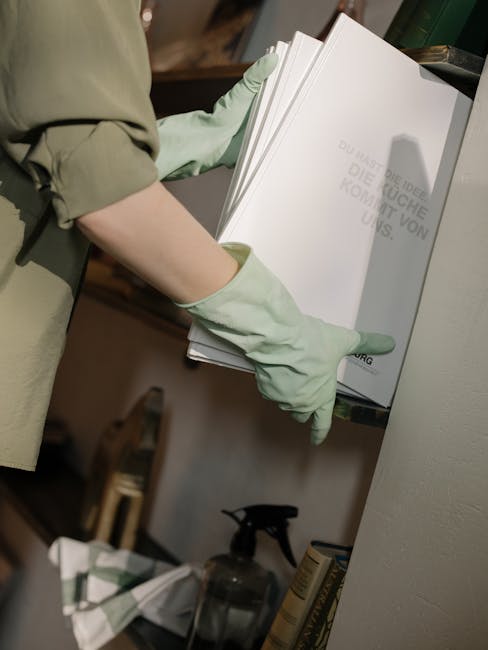
If you have ever tried to book a cleaner in Highbury and found the reply slow, the quote delayed, or the first available slot further away than you expected, you are not imagining it. Booking delays happen for very ordinary reasons, and most of them are fixable once you understand how the process works. This guide explains why booking delays happen for Highbury cleaners and how to avoid them, so you can get a faster response, a better appointment time, and far less back-and-forth.
In a busy part of North London, timing matters. A cleaner might be juggling travel, parking, same-week jobs, supplies, access instructions, and clients who all need different things. That can create bottlenecks very quickly. The good news? With a bit of planning and a few simple checks, you can usually reduce delays a lot. Let's walk through the causes, the practical fixes, and what to watch for before you hit send on that booking request.
There is also a trust angle here. When a cleaning company is organised, clear, and responsive, that usually tells you something useful about how the job itself will run. Not always, of course, but often enough to matter.
- Why booking delays matter
- How the booking process works
- Key benefits of avoiding delays
- Who this is for
- Step-by-step guidance
- Expert tips
- Common mistakes to avoid
- Tools, resources and recommendations
- Law, compliance and best practice
- Options and comparison table
- Case study
- Practical checklist
- Conclusion
- Frequently asked questions
Why Why booking delays happen for Highbury cleaners and how to avoid Matters
Booking delays may sound like a minor admin issue, but in practice they can throw off the whole day. If you are arranging a one-off clean before guests arrive, a deep clean after builders have finished, or a regular domestic clean that needs to fit around work and school runs, a delayed booking can become a real nuisance very quickly.
For customers, the most obvious problem is uncertainty. You do not know whether your preferred cleaner is available, whether the quote will hold, or whether you need to rearrange your week. For cleaners, delays can mean wasted admin time, missed opportunities, and a messy diary that becomes hard to control. It is a bit like trying to fit a sofa through a narrow hallway without measuring first. Everyone ends up shuffling things around.
Highbury brings its own practical realities too. Streets can be busy, parking may be limited, flats often need access coordination, and some jobs are in shared buildings with entry instructions or concierge arrangements. None of that is unusual, but it does mean the booking process benefits from being precise rather than vague.
A well-run booking system also improves service quality. When the cleaner knows the property type, size, condition, and access details up front, they can schedule the right amount of time and bring the right equipment. That reduces no-shows, rushed visits, and awkward surprises on the day.
Expert summary: Most booking delays are not random. They usually come from incomplete information, peak-time demand, access issues, or a lack of clear scheduling rules. If you fix those early, the whole process gets easier.
How Why booking delays happen for Highbury cleaners and how to avoid Works
At its simplest, booking a cleaner is a matching process. The cleaner or cleaning company needs to match your request with the right team member, time slot, location, service type, and expected duration. Delays happen when one of those pieces is missing or unclear.
Here is the basic flow most local cleaning bookings follow:
- Initial enquiry: You send a request by phone, form, text, or email.
- Information check: The cleaner reviews the property details, service type, and timing.
- Availability match: They check whether a slot, team, and travel window are available.
- Quote or estimate: If needed, they calculate pricing based on the job scope.
- Confirmation: The booking is locked in once details and expectations are agreed.
- Pre-visit prep: Access, parking, and special instructions are confirmed.
Delays usually appear at the information check or availability match stage. A request like "Can I book a clean for next week?" does not give much to work with. A request like "Two-bedroom flat in Highbury, regular domestic clean, Friday afternoon, parking permit not available, key collection from concierge" gives the company something usable.
Sometimes the delay is not on the customer side at all. A cleaner may be fully booked, covering an emergency job, or dealing with a cluster of properties in the same area. In other cases, the issue is operational: missed messages, no clear quote process, or a diary that is managed manually and gets overloaded. Truth be told, a lot of friction comes from admin rather than the cleaning itself.
If you are comparing services, pages like pricing and quotes and contact us can help you understand how the company handles enquiries and what information they want from you first. That is often the quickest clue to how smooth the booking experience will be.
Key Benefits and Practical Advantages
Reducing booking delays is not just about getting a reply faster. It changes the quality of the whole cleaning experience. Small improvements at the booking stage can save time, reduce stress, and avoid the awkward "sorry, we need to move your slot" message later on. Nobody enjoys that message. No one.
Here are the main advantages:
- Faster confirmation: You know where you stand sooner, which helps you plan around work, childcare, or guests.
- Better scheduling: Accurate details make it easier to place the job into the right time window.
- Fewer changes: Clear booking notes reduce the chance of rescheduling because of missing information.
- More accurate pricing: If the cleaner understands the job properly, the quote is less likely to shift later.
- Improved cleaning quality: The right team, tools, and time allocation usually lead to a better result.
- Less stress for everyone: Smooth booking simply feels better. It is one less thing to juggle.
There is also a hidden benefit: organised booking often reflects better service discipline overall. If a company responds clearly, confirms access properly, and explains its process without fuss, that is a good sign. It does not guarantee perfection, but it is usually reassuring.
For more detailed service information, you may also want to look at a relevant page such as cleaning company or cleaners if you are trying to understand the broader approach rather than a single job type.
Who This Is For and When It Makes Sense
This advice is useful for a few different types of people, and the booking issues are not quite the same for each one.
Homeowners and tenants
If you need a regular clean, a deep clean, or an end-of-tenancy job, booking delays can cause problems with move-out dates, landlord inspections, or weekend plans. Tenants, especially, often need a reliable slot rather quickly. The window is narrow and the pressure is real.
Busy professionals
People working long hours often want a clean arranged with minimal conversation and no repeated follow-up. If you fit into that camp, the biggest win is giving full details in one go so the cleaner does not need to ask five follow-up questions by email.
Landlords and letting agents
For turnover cleans, delay can mean a property sitting empty for longer than planned. That affects handovers, viewing schedules, and sometimes maintenance visits too. Precision matters here more than ever.
Businesses and offices
Office cleaning needs are usually tied to opening hours, staff access, security, and specific routines. Delays can be especially awkward if the cleaner has to coordinate with multiple people. In that environment, a clear scope is worth its weight in gold.
People booking specialist cleaning
Specialist services such as oven cleaning, carpet cleaning, upholstery cleaning, or deep cleaning usually take longer to scope because the condition of the item or property matters more. That makes clear details even more important.
If your situation involves a deadline, a key handover, or a very specific access arrangement, it makes sense to treat the booking as a small project rather than a quick transaction. Slightly more effort upfront, much less pain later.
Step-by-Step Guidance
If you want to avoid booking delays, the best approach is to make the first enquiry as useful as possible. Here is a simple process that works well in practice.
1. Describe the job clearly
Start with the basics: property type, size, service required, and preferred date or time. "Two-bed flat, regular domestic clean, Tuesday after 2pm" is much better than "Need a cleaner soon."
2. Share access details early
Let the cleaner know whether there is a key safe, concierge, building entry code, permit parking, or restricted access. If the cleaner has to guess, they will usually slow down the booking while they check. Fair enough.
3. Explain the condition honestly
If the job is heavier than usual, say so. A well-used oven, post-renovation dust, pet hair, or heavy limescale all affect timing. It is better to over-explain slightly than to understate the work and then wonder why the team arrives underprepared.
4. Ask how the company handles quoting
Some companies quote quickly from a few details; others need photos or a short call. Both are fine. The main thing is to know the process so you do not wait around expecting an instant answer that was never likely to come.
5. Confirm what happens after booking
Ask who confirms the slot, what notice is needed for changes, and whether the cleaner will call or message before arrival. This avoids that awkward "I thought someone else was confirming it" moment. Happens more often than you would think.
6. Keep one contact channel open
If you send an enquiry by email and then reply on WhatsApp, and then call the office, the message trail can get messy. Try to keep the conversation in one place unless the company tells you otherwise.
7. Be realistic about peak times
Fridays, end-of-month dates, school holiday periods, and pre-event weekends can all be busy. If your date is flexible, say so. Flexibility often speeds things up more than people expect.
That is the practical heart of it really: clear info in, quicker booking out.
Expert Tips for Better Results
Below are the small things that make a surprisingly big difference. These are the bits people only learn after a few awkward bookings, or after watching a cleaner spend ten minutes trying to work out whether the job is actually doable in the time available.
- Send photos when asked: For ovens, carpets, upholstery, or post-build properties, images can speed up quoting and reduce doubt.
- Be precise about timing: "Morning" is not always enough. If you have a school run or a delivery slot, say so.
- Include parking information: In Highbury, parking can affect arrival times more than people realise.
- State your priority: If the job must be completed before a viewing, move-out, or dinner party, make that clear.
- Check the service scope: Deep clean, one-off clean, and regular domestic cleaning are not interchangeable. They sound similar but they are not.
- Respond quickly to follow-up questions: A slow reply from the customer side can delay the booking just as much as a slow reply from the cleaner.
- Choose the right service type: Booking a specialist job through the correct service page, like one-off cleaning or domestic cleaning, can cut out a lot of confusion.
If you are a regular customer, it can also help to build a small profile of your usual needs: number of rooms, pets, flooring type, any fragile surfaces, and your preferred appointment window. Once a cleaner understands your setup, future bookings usually move faster. Much faster.
Little detail, big payoff.
Common Mistakes to Avoid
Most booking delays can be traced back to a few common mistakes. Some are easy to fix, others just need a bit more discipline.
Being vague about the job
"Need a cleaner for the flat" is too broad. A cleaner cannot estimate time or allocate staff properly without knowing the size and condition of the property.
Leaving out access complications
If the cleaner needs a code, key collection, escort, or visitor sign-in, say so early. Access issues can delay both the quote and the actual visit.
Waiting too long to book
If you need a slot by a specific date, do not wait until the last minute unless you are comfortable with reduced availability. It sounds obvious, but people do it all the time.
Mixing up different services
A deep clean is not the same as a standard house clean. Oven cleaning is not the same as general kitchen cleaning. If you choose the wrong service, the booking may need to be reworked.
Ignoring location-specific factors
Some Highbury properties are straightforward, others are not. Loading bays, residents' permits, timed access, stair-only buildings, or shared entrances can all affect the schedule. Not always dramatically, but enough to matter.
Not checking the company's process
Some businesses reply quickly by text, some prefer forms, and some quote only after a call. If you expect instant confirmation from a company that works differently, you may read the delay the wrong way.
One simple rule helps here: the more uncertain the job, the more detail you should provide. That alone avoids a good chunk of friction.
Tools, Resources and Recommendations
You do not need fancy software to avoid booking delays, but a few simple tools and habits help a lot.
- Calendar access: Keep your own calendar handy so you can confirm availability quickly without going back and forth.
- Photo notes on your phone: A few clear images of the area or item to be cleaned can speed things up.
- Basic property notes: Room count, floor level, access code, parking note, and any special surfaces.
- Checklist before enquiry: Write down what needs cleaning, what the priority is, and whether you want a one-off or recurring visit.
- Company information pages: Pages like about us, insurance and safety, and health and safety policy can help you judge how organised and transparent a business is before you book.
If you are comparing companies, practical reading can help too. For example, a guide such as same-day oven cleaning booking guide may show how a fast-turnaround service is structured, while a page like hidden charges to avoid can help you spot unclear quoting practices. Not every page will be relevant to every job, but the pattern matters.
Another useful habit is to ask a cleaner whether they prefer photos, a short form, or a quick call. Matching their preferred process can shave off unnecessary delay. Simple, but effective.
Law, Compliance, Standards, or Best Practice
Booking delays are not usually a legal issue in themselves, but the way a cleaning business handles scheduling, access, payments, safety, and customer information should still follow sensible UK business practice. That includes clear terms, transparent pricing where possible, and careful handling of personal details.
If a cleaner is coming into your home, building, or workplace, best practice usually includes:
- Clear communication: A booking should state the service, time, scope, and any known limits.
- Transparent pricing or estimates: A customer should know how the quote is formed and when it might change.
- Health and safety awareness: If the job involves ladders, chemicals, slippery floors, or heavy equipment, that should be considered properly.
- Insurance awareness: A reputable company should be able to explain its cover and working practices in plain English.
- Privacy care: Access instructions, contact details, and personal booking information should be handled responsibly.
It is also good practice for both sides to agree on cancellation or rescheduling terms early. That avoids last-minute misunderstandings. The company's terms and conditions, privacy policy, and payment and security pages are worth reviewing if you want to understand how they operate behind the scenes.
For more operational detail, the recycling and sustainability page may also be useful if you care about waste handling or eco-minded cleaning choices. That matters more than people think, especially in block properties and shared spaces where waste movement needs a bit of coordination.
Options, Methods, or Comparison Table
If you are trying to reduce booking delays, the method you choose matters. Some approaches are quicker, some are more detailed, and some work better for complex jobs. Here is a straightforward comparison.
| Booking method | Speed | Best for | Main drawback |
|---|---|---|---|
| Phone call | Fast if someone answers | Urgent or complex jobs | Can be hard to recap everything accurately |
| Moderate | Detailed requests and written records | Can slow down if questions go back and forth | |
| Contact form | Often efficient | Structured enquiries and quick quotes | Less flexible if your job is unusual |
| Text or messaging app | Very fast for simple jobs | Repeat customers and clear bookings | Easy for details to get lost if messages are long |
The best option depends on the situation. If your job is straightforward and you already know what you need, a concise form or message can be perfect. If the property has awkward access, special surfaces, or a deadline, a call may be better because you can sort out the important bits in real time.
One more thing: when comparing services, do not just look at the quickest reply. Look at the clearest reply. That is usually the better sign of a reliable booking process.
Case Study or Real-World Example
A common Highbury scenario goes like this. A tenant needs a one-off clean before moving out at the end of the week. They send a message late on a Monday evening saying they need "a full flat clean ASAP." No floor count, no access details, no mention of whether appliances or carpets need attention. By Tuesday morning, the cleaner is still trying to work out the scope. Is it a standard clean? Deep clean? End-of-tenancy? Is there parking? Are they expecting same-day service?
Now compare that with a more complete enquiry: "Two-bedroom flat near Highbury Fields, end-of-tenancy clean, Friday afternoon preferred, lift available, parking permit required, oven and fridge included, no pets, keys available from concierge." That second version is far easier to handle. The cleaner can estimate time, quote more confidently, and decide whether to accept the booking without a lot of extra messages.
In our experience, the second kind of enquiry is often confirmed much faster. It also tends to produce fewer surprises on the day. You will notice the difference immediately: less waiting, less uncertainty, and a much calmer handover.
There is another small reality too. Sometimes the delay is caused by the customer waiting for a perfect answer before sharing enough detail. It is a bit of a dance. But once both sides give enough information early, the whole thing becomes much smoother.
Practical Checklist
Use this checklist before you send a booking enquiry. It keeps things tidy and helps prevent the usual delays.
- Service type is clear: regular clean, one-off clean, deep clean, oven clean, carpet clean, or office clean.
- Property details are included: house, flat, office, number of rooms, and approximate size.
- Preferred date and time are stated: include flexibility if you have it.
- Access information is provided: keys, codes, concierge, parking, or stair access.
- Condition is described honestly: light tidy, average mess, heavy build-up, post-build dust, pet hair, and so on.
- Special requirements are mentioned: allergies, eco products, delicate flooring, or specific areas to avoid.
- Deadline is clear: moving day, viewing, event, tenancy handover, or office opening.
- Photos are ready if needed: especially for specialist or larger jobs.
- Your contact details are correct: a missed number or old email can create a silly delay.
- You know how the company prefers to book: form, phone, email, or message.
Quick reminder: details first, speed second. It is usually the fastest route anyway.
Conclusion
Booking delays happen for Highbury cleaners because the booking process is only as smooth as the information behind it. When details are vague, access is unclear, or the schedule is tight, delays build up fast. But once you understand the pressure points, the fix is usually straightforward: be clear, be specific, and give the cleaner the right information early.
That does not mean the process has to be long or complicated. In fact, the opposite is true. A good booking takes a few minutes, not a saga. And when it is done properly, the clean itself tends to go better too. Less confusion. Less rework. Less waiting around with the kettle going cold on the side.
If you want a smoother experience, start with a clear enquiry, check the company's process, and choose the right service type for the job. Small effort now, much less hassle later. And honestly, that is usually the best trade you can make.
Get a free quote today and see how much you can save.
A little clarity at the start can turn a frustrating wait into a clean, easy booking. That is the bit worth aiming for.
Frequently Asked Questions
Why do cleaning bookings take so long in Highbury?
Delays usually happen because the cleaner needs more details before confirming availability, pricing, or travel timing. In Highbury, parking, access, and busy schedules can also slow things down a bit.
How can I speed up a cleaner booking?
Give the property size, service type, preferred time, access details, and any special requirements in your first message. Clear information is the quickest way to avoid extra back-and-forth.
Does booking a deep clean take longer than a regular clean?
Yes, often it does. Deep cleaning usually needs more information because the cleaner must understand the condition of the property and the level of work involved before confirming a slot.
Are same-day cleaning bookings harder to arrange?
They can be, because availability is tighter and the cleaner has less time to plan travel, staff allocation, and equipment. If you need same-day help, be very specific and flexible if possible.
What details should I give when requesting a quote?
Include the type of property, number of rooms, service required, access details, parking situation, and any urgent deadline. Photos can help too if the job is specialist or heavily soiled.
Why does a cleaner ask so many questions before confirming?
Usually because they are trying to avoid underquoting, arriving with the wrong equipment, or booking the wrong length of time. It may feel slow, but it often prevents bigger problems later.
Do booking delays mean the company is unreliable?
Not always. Sometimes they are just busy, or they are checking the job properly. That said, repeated vague replies or poor communication can be a warning sign.
Is it better to book by phone or online?
It depends on the job. Phone is often better for urgent or complex bookings, while online forms work well for straightforward requests. The best method is the one that lets you share the right details quickly.
Can parking issues really affect cleaning appointments?
Yes, they can. In areas like Highbury, parking or access restrictions may affect arrival times and job scheduling, especially if the cleaner carries equipment or needs to park nearby.
What should I do if my booking is delayed?
Follow up politely, check whether any extra information is needed, and confirm your preferred date again. If the delay continues without a clear reason, you may want to compare other local options.
How do I avoid last-minute rescheduling?
Confirm the appointment details early, keep your phone available, and tell the cleaner straight away if anything changes. Small updates shared early usually prevent bigger changes later.
Do specialist services need more booking lead time?
Often, yes. Services like oven cleaning, carpet cleaning, upholstery cleaning, or end-of-tenancy cleaning may need longer booking windows because the work is more specific and time-sensitive.